What is Dyslexia?
Dyslexia is a common learning difference that mainly affects reading and language processing. It is not related to intelligence — people with dyslexia have average or above-average intelligence, but their brains process written language differently.
What dyslexia affects?
People with dyslexia may have difficulty with:
- Reading fluently
- Spelling
- Decoding words (sounding them out)
- Writing
What Dyslexia Is NOT:
- ❌ It is NOT a sign of low intelligence
- ❌ It is NOT caused by poor teaching
- ❌ It is NOT a vision problem (though letters may seem to move for some people)
Signs of Dyslexia in Children:
- Delayed speech
- Trouble learning letters and sounds
- Mixing up similar letters (b/d, p/q)
- Avoiding reading
- Slow reading speed

Common Strengths of People with Dyslexia:
Many individuals with dyslexia show strengths in:
- Creativity
- Big-picture thinking
- Problem-solving
- Visual-spatial skills
- Entrepreneurship
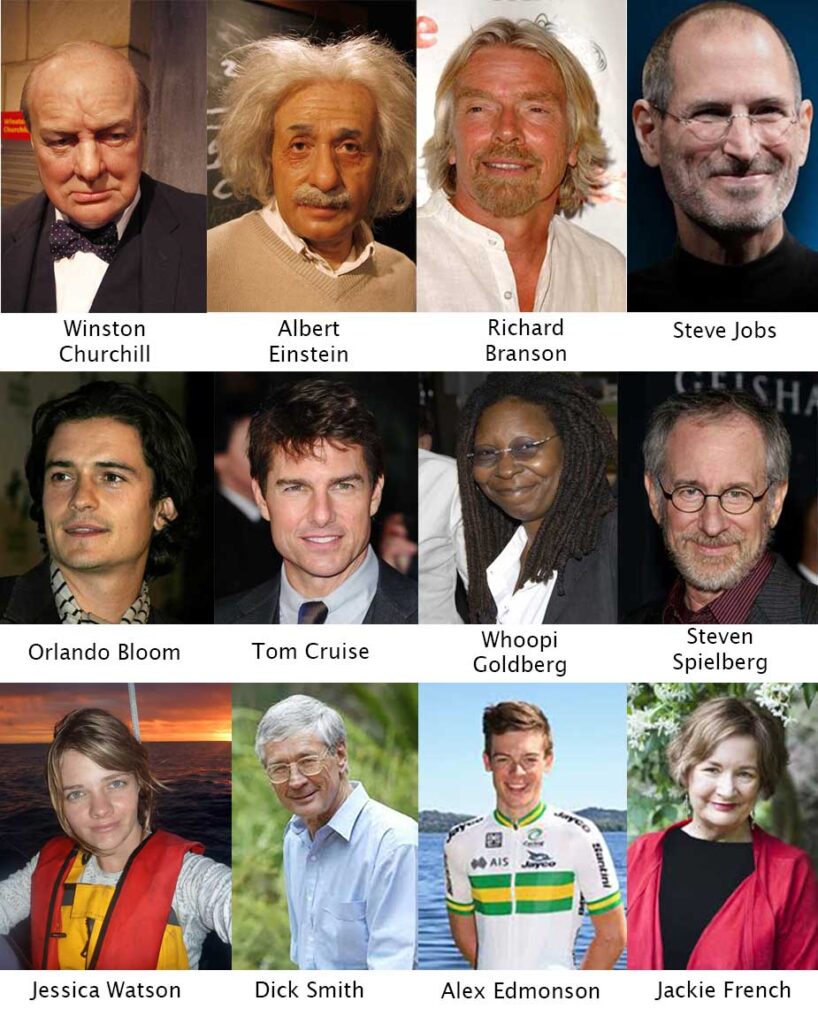
Many successful entrepreneurs, designers, engineers, and innovators have dyslexia.
Can It Be Treated?
Dyslexia cannot be “cured,” but it can be managed very effectively with:
- Structured literacy programs
- Phonics-based teaching
- Early intervention
- Assistive technology (text-to-speech, audiobooks)
With the right support, people with dyslexia can thrive academically and professionally. Contact us for further information.